Common Pet Illnesses and How to Prevent Them
Pets bring joy, companionship, and unconditional love into our lives. However, they are also vulnerable to a variety of illnesses that can affect their quality of life and longevity. As a responsible pet owner, understanding the most common illnesses in dogs and cats—and how to prevent them—is crucial. This article will explore the most frequent health issues, their symptoms, and effective prevention strategies.
Why Prevention Matters
Preventing illness is always better than treating it. Medical care for pets can be expensive, and some diseases may leave long-term complications even after treatment. By practicing preventive care, owners can:
- Reduce medical costs.
- Improve the quality and length of their pet’s life.
- Avoid unnecessary suffering.
- Protect other animals and even humans from zoonotic diseases.
Common Illnesses in Dogs
1. Parvovirus
- Cause : Highly contagious viral infection.
- Symptoms : Severe vomiting, diarrhea (often bloody), dehydration, lethargy.
- Prevention : Vaccination is the best protection. Keep puppies away from public areas until fully vaccinated.
2. Kennel Cough (Canine Infectious Tracheobronchitis)
- Cause : Bacteria and viruses spread through close contact.
- Symptoms : Persistent dry cough, gagging, nasal discharge.
- Prevention : Bordetella vaccine, avoid crowded dog areas with poor ventilation.
3. Heartworm Disease
- Cause : Parasitic worms transmitted by mosquito bites.
- Symptoms : Coughing, fatigue, weight loss, heart failure in severe cases.
- Prevention : Monthly preventive medications prescribed by a veterinarian.
4. Lyme Disease
- Cause : Bacteria transmitted by ticks.
- Symptoms : Fever, joint swelling, lameness, loss of appetite.
- Prevention : Tick control products, vaccines in high-risk areas, regular tick checks after outdoor activities.
5. Obesity
- Cause : Overfeeding, lack of exercise.
- Symptoms : Excess body fat, difficulty breathing, reduced mobility.
- Prevention : Proper diet, regular exercise, monitoring weight with veterinary guidance.
Common Illnesses in Cats
1. Feline Upper Respiratory Infections (URIs)
- Cause : Viruses like Feline Herpesvirus and Calicivirus.
- Symptoms : Sneezing, nasal discharge, eye discharge, lethargy.
- Prevention : FVRCP vaccination, keeping living spaces clean, minimizing stress.
2. Feline Leukemia Virus (FeLV)
- Cause : Viral infection spread through saliva, blood, or close contact.
- Symptoms : Weak immune system, anemia, weight loss, increased risk of cancer.
- Prevention : Vaccination for at-risk cats, keeping cats indoors to reduce exposure.
3. Chronic Kidney Disease (CKD)
- Cause : Aging, genetic predisposition, chronic infections.
- Symptoms : Increased thirst, frequent urination, weight loss, poor coat quality.
- Prevention : Regular veterinary check-ups, special kidney-support diets for older cats, adequate hydration.
4. Diabetes Mellitus
- Cause : Insulin resistance, often linked to obesity.
- Symptoms : Increased thirst, frequent urination, weight loss despite good appetite.
- Prevention : Healthy diet, weight management, regular exercise.
5. Feline Obesity
- Cause : Overfeeding, sedentary lifestyle.
- Symptoms : Excess body fat, lethargy, higher risk of diabetes and joint issues.
- Prevention : Portion control, interactive play, balanced nutrition.
Zoonotic Diseases (That Can Affect Humans Too)
Some pet illnesses are zoonotic , meaning they can spread to humans. Examples include:
- Rabies (through bites).
- Ringworm (fungal infection of the skin).
- Leptospirosis (from contaminated water or urine).
- Toxoplasmosis (through cat feces).
Prevention tips :
- Keep vaccinations up to date.
- Practice good hygiene (wash hands after handling pets or cleaning litter boxes).
- Regular veterinary check-ups to detect infections early.
General Prevention Strategies for All Pets
Vaccinations
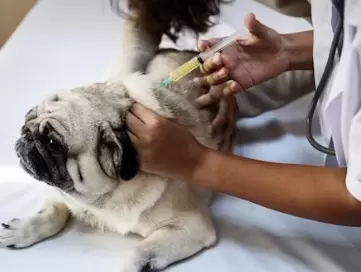
Stay current with core and non-core vaccines as recommended by your veterinarian.Regular Veterinary Visits
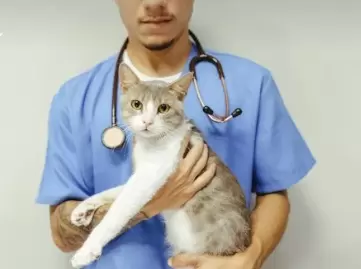
Annual (or bi-annual for seniors) check-ups ensure early detection of illness.Balanced Nutrition
Feed species-appropriate, high-quality food in proper portions.Parasite Control
Use flea, tick, and worm prevention year-round, especially in warm climates.Clean Living Environment
Keep bedding, litter boxes, and feeding bowls sanitized.Exercise and Mental Stimulation
Physical activity prevents obesity and supports mental health.Grooming
Regular brushing, bathing, and nail trimming help spot early signs of skin or coat problems.
Recognizing Early Warning Signs
Illnesses often start with subtle symptoms. Watch for:
- Changes in appetite or thirst.
- Weight gain or loss.
- Lethargy or reduced activity.
- Persistent coughing, sneezing, or vomiting.
- Changes in urination or defecation habits.
- Skin lumps, redness, or unusual odor.
Early detection can mean the difference between a manageable issue and a life-threatening emergency.
Conclusion
Pets rely on their owners to safeguard their health. By staying informed about common illnesses and prevention methods, you can give your dog or cat the best chance at a long, happy, and healthy life. Preventive care is not just about avoiding disease—it’s about building a lifestyle that supports your pet’s overall well-being.
Remember : Regular vet visits, vaccinations, proper diet, exercise, and love are the cornerstones of keeping your pet healthy. Prevention today means fewer worries tomorrow.