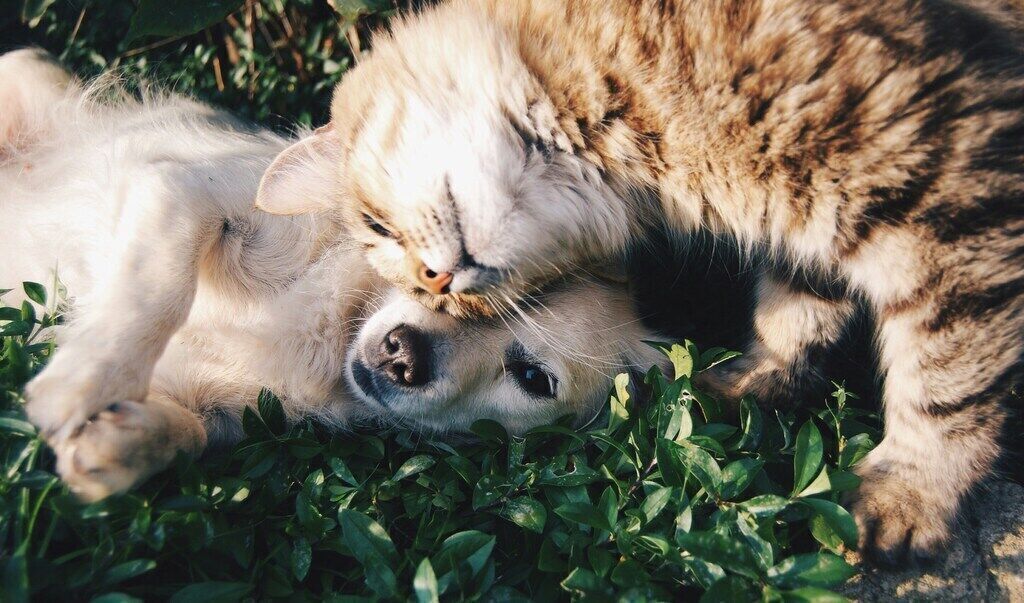
Understanding Exotic Pet Behavior: Signs of Stress and Happiness
One of the most important aspects of caring for exotic pets is understanding their behavior. Reptiles, birds, and small mammals each have unique ways of communicating their needs, desires, and emotions. Unlike dogs and cats, who can express their feelings more openly, exotic pets often require keen observation to identify signs of stress, happiness, and overall well-being. This article will guide you through the common behavioral cues exhibited by exotic pets and help you better understand their emotional states.
1. The Importance of Observing Behavior
Understanding your pet's behavior is crucial for several reasons:
- Identifying Health Issues: Changes in behavior can be early signs of illness or discomfort.
- Reducing Stress: A stressed pet is more likely to develop health problems, so identifying stress indicators early can help prevent complications.
- Building Trust: Understanding your pet's behavior and responding appropriately fosters a bond of trust, which is essential for a positive relationship.
Since exotic pets often can't vocalize their needs in the same way as dogs or cats, learning to recognize their body language and habits is key.
2. Reptile Behavior: Signs of Stress and Contentment
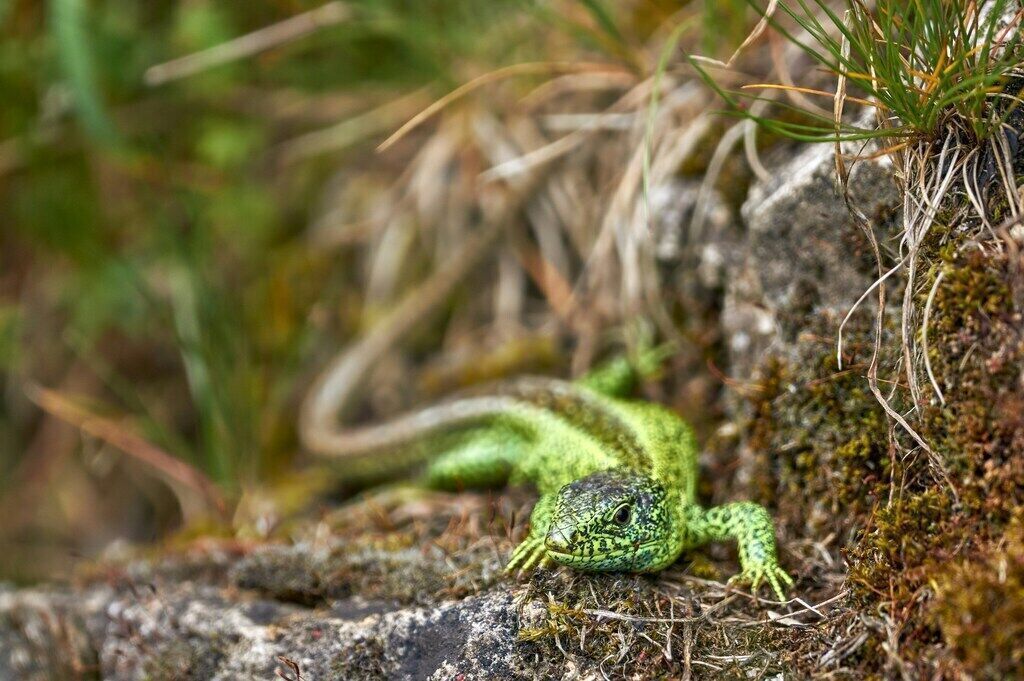
Reptiles, such as lizards, turtles, and snakes, have subtle ways of showing stress or happiness. Here are some key behavioral cues to look out for:
🦎 Signs of Stress in Reptiles:
- Hiding or Burrowing: Many reptiles, especially when stressed, will hide or burrow to feel safe. If your pet starts hiding excessively, it could be a sign of stress or discomfort.
- Rapid Breathing or Panting: Reptiles may breathe rapidly or pant when they are stressed or overheated. This can also indicate a health issue such as respiratory problems.
- Aggression or Defensive Behavior: Some reptiles may become more aggressive or defensive when stressed. They may hiss, puff up, or try to bite if they feel threatened.
- Refusal to Eat: A loss of appetite can be an early sign of stress or illness. If your reptile refuses to eat for more than a few days, consult a veterinarian.
🐍 Signs of Happiness in Reptiles:
- Exploring and Moving Actively: A content reptile will often explore its environment and move around its enclosure freely.
- Basking: Reptiles like snakes and lizards often bask under heat lamps or sunlights to regulate their body temperature. A reptile that is basking contently indicates it feels comfortable in its environment.
- Relaxed Body Posture: A relaxed, calm body posture without defensive behaviors is a good sign that your reptile feels safe and secure.
3. Bird Behavior: Signs of Stress and Happiness
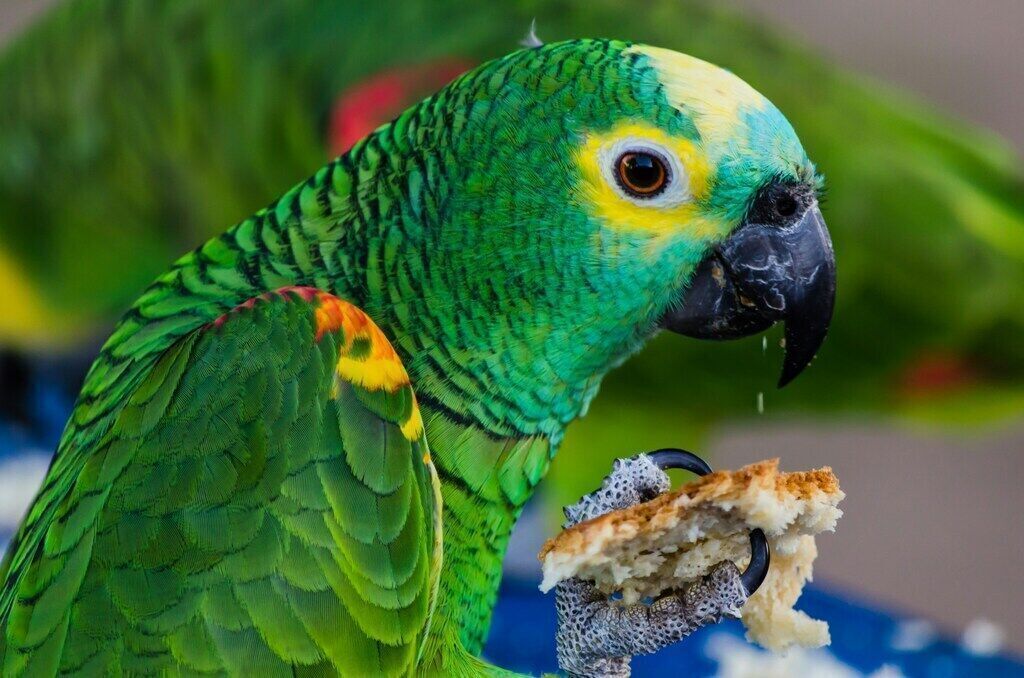
Birds are very social creatures, and they communicate a lot through body language and vocalizations. Understanding these cues is essential for their care and happiness.
🦜 Signs of Stress in Birds:
- Feather Plucking or Biting: Excessive feather plucking or self-mutilation is a sign of stress, anxiety, or boredom. It can also indicate health issues.
- Aggression or Fearful Behavior: A stressed bird may become more aggressive, biting or lunging at handlers. They may also puff up their feathers and squawk loudly.
- Isolation: Birds are social animals, and when they feel stressed, they may retreat to a corner of their cage or refuse to interact with people or other pets.
- Loss of Appetite or Weight Loss: A sudden drop in appetite or unexplained weight loss can be signs of stress, poor health, or environmental dissatisfaction.
🐦 Signs of Happiness in Birds:
- Preening: Birds that are content will often preen themselves or each other. This grooming behavior is a sign of relaxation and contentment.
- Singing or Talking: Happy birds, especially parrots, may sing, chirp, or mimic sounds. These vocalizations are a clear sign of a relaxed and happy pet.
- Flapping or Playing: Birds that are comfortable may fly, flap their wings, or play with toys. Interaction with toys and climbing structures also indicates happiness.
- Friendly Behavior: A happy bird will readily interact with its owner, showing affection and responding to attention.
4. Small Mammal Behavior: Signs of Stress and Happiness
Small mammals, such as guinea pigs, hamsters, rabbits, and ferrets, have distinct behaviors that indicate their emotional state.
🐹 Signs of Stress in Small Mammals:
- Hiding or Avoidance: Like reptiles, small mammals often hide when they feel stressed or threatened. If your pet is constantly hiding or avoiding you, it may be a sign of stress.
- Excessive Grooming or Hair Loss: Over-grooming or hair loss can be a sign of anxiety or stress. This is especially common in rabbits and guinea pigs.
- Lethargy or Loss of Activity: If your normally active pet becomes lethargic or inactive, it could be a sign of illness or stress. A lack of movement can indicate discomfort or pain.
- Aggressive or Defensive Behavior: Small mammals, particularly when stressed, may bite or scratch more frequently. This can be a defensive response to perceived threats.
🐰 Signs of Happiness in Small Mammals:
- Playful Behavior: Happy small mammals are often active, running around, exploring, and engaging with toys. Rabbits may hop around excitedly, while guinea pigs might popcorn (jump for joy).
- Eating and Foraging: Healthy small mammals love to eat, and a happy pet will spend time foraging for food or nibbling on treats. A healthy appetite is a good sign.
- Socializing: Small mammals like guinea pigs and rabbits are social animals. If your pet is comfortable with interaction, it will approach you or other pets in a friendly manner.
- Relaxed Body Language: A calm, relaxed posture without signs of fear or defensiveness shows that your pet is comfortable in its environment. Rabbits, for example, will often lie down with their legs stretched out when content.
5. Environmental Stress: The Role of Habitat in Exotic Pet Behavior
The environment plays a huge role in your exotic pet’s emotional state. Pets that are uncomfortable in their habitats may show signs of stress more frequently. Here are some environmental factors that can influence behavior:
- Temperature and Humidity: Both reptiles and amphibians are highly sensitive to temperature and humidity fluctuations. Too much heat or cold can cause stress or even health issues.
- Lighting: Birds and reptiles require proper lighting for health and comfort. A lack of proper UVB light can lead to stress and health issues.
- Space: Overcrowding or too-small enclosures can cause stress for pets. Ensure your pet’s habitat is appropriately sized and enriched.
- Noise Levels: Exotic pets, particularly birds, can be sensitive to loud or sudden noises, which can increase stress levels.
By ensuring a comfortable, stable environment , you can reduce the chances of behavioral problems and enhance your pet’s happiness.
6. Stress Reduction Techniques for Exotic Pets
If you observe stress in your exotic pet, there are several steps you can take to reduce it:
- Provide Hiding Spots: Both reptiles and small mammals need safe spaces to retreat when they feel stressed. Ensure your pet has places to hide where it can feel secure.
- Improve the Habitat: Review the temperature, humidity, lighting, and space in your pet’s enclosure. Make adjustments if necessary to ensure it is comfortable.
- Reduce Handling: While some pets enjoy interaction, others may become stressed from too much handling. Allow your pet to come to you on its own terms and minimize unnecessary contact.
- Enrichment Activities: Mental stimulation through toys, climbing structures, and foraging can reduce stress and keep your pet engaged and happy.
7. Conclusion
Understanding the behavior of your exotic pet is essential for ensuring its happiness and well-being. By paying close attention to the signs of stress and contentment, you can provide the right care and environment to keep your pet healthy and comfortable. Whether you’re caring for a reptile, bird, or small mammal, recognizing behavioral cues will help you build a stronger bond and foster a positive relationship with your exotic companion. Always remember that a stress-free environment, proper care, and regular interaction are the keys to your pet’s happiness.