Feeding Your Exotic Pet: Nutrition Guidelines for Reptiles, Birds, and Small Mammals
Proper nutrition is one of the most important aspects of caring for exotic pets. Unlike traditional pets such as cats and dogs, exotic animals like reptiles, birds, and small mammals have specific dietary requirements that must be met to ensure their health and well-being. Providing a balanced and species-appropriate diet will help your pet thrive and prevent common health problems. This guide covers the key nutrition guidelines for reptiles, birds, and small mammals, including what to feed, how to feed, and what to avoid.
1. Reptile Nutrition: What Do Reptiles Eat?
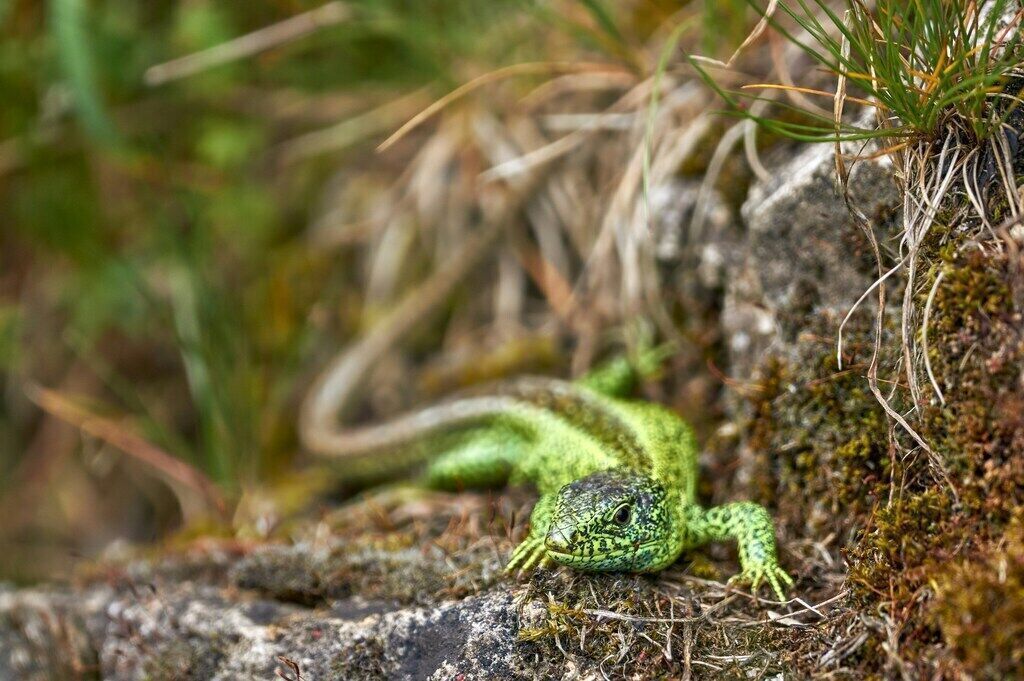
Reptiles are diverse in terms of diet, with some being herbivores, others carnivores, and many being omnivores. Understanding your reptile’s species-specific dietary needs is critical for maintaining their health.
🦎 Herbivorous Reptiles:
- Examples: Tortoises, iguanas, and some species of lizards.
- Diet: Herbivorous reptiles primarily eat vegetables, fruits, and leafy greens. They require high-fiber foods for digestion and calcium-rich vegetables to maintain strong bones and shells.
- Recommended Foods: Collard greens, dandelion greens, kale, squash, carrots, and bell peppers.
- Supplements: A calcium supplement is often necessary to ensure proper bone health. Additionally, some may require a vitamin D3 supplement, which helps with calcium absorption.
🐍 Carnivorous Reptiles:
- Examples: Snakes, crocodiles, and some lizards.
- Diet: Carnivorous reptiles eat primarily meat-based foods such as rodents, birds, and fish. They require high-protein diets and their food should be appropriately sized to prevent choking.
- Recommended Foods: Mice, rats, chickens, fish, and insects (for smaller reptiles).
- Supplements: Carnivorous reptiles generally don’t need supplements unless advised by a veterinarian.
🦎 Omnivorous Reptiles:
- Examples: Bearded dragons, box turtles, and some skinks.
- Diet: Omnivores eat both plant and animal-based foods. A balanced diet typically consists of a mix of vegetables , fruits , and insects .
- Recommended Foods: Mealworms, crickets, leafy greens, bell peppers, and berries.
- Supplements: Calcium is still important for omnivores, particularly for younger reptiles that are growing rapidly.
2. Bird Nutrition: A Balanced Diet for Pet Birds
Birds are highly active creatures, and they require a varied diet to meet their nutritional needs. Different species of birds have different dietary requirements, so it’s important to tailor their food based on their specific type.
🦜 Seed-Based Diets:
- Examples: Parakeets, finches, and canaries.
- Diet: Seed-based diets are commonly sold in pet stores, but they should only make up part of the bird’s diet. Seed mixes alone are not nutritionally balanced and often lack important vitamins and minerals.
- Recommended Foods: A mixture of seeds, fruits, vegetables, and high-quality pellets.
- Supplements: Adding vitamin-rich fruits like apples, oranges, and berries will provide essential nutrients.
🦢 Pellet-Based Diets:
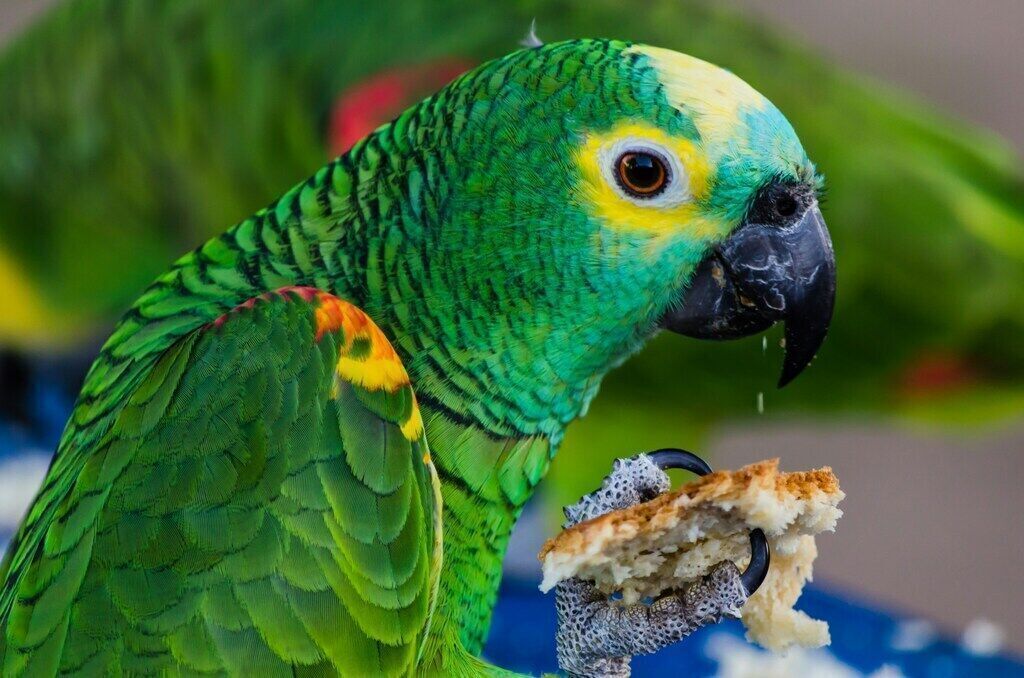
- Examples: Larger parrots like African Greys, cockatoos, and macaws.
- Diet: A pellet-based diet is considered to be the most balanced for birds. Pellets are formulated with the appropriate ratio of proteins, vitamins, minerals, and fats.
- Recommended Foods: Pellets should be the primary food, supplemented with fresh vegetables like spinach, carrots, and sweet potatoes, as well as fruits like bananas and papayas.
- Supplements: Occasional treats like nuts or seeds are fine, but avoid giving them as the primary food source.
🦜 What to Avoid:
- Avocados, chocolate, alcohol, and caffeine are toxic to birds and should be strictly avoided.
- Birds should also not be fed onions, garlic, or high-salt foods , as these can cause serious health issues.
3. Small Mammal Nutrition: Feeding Hamsters, Guinea Pigs, and Rabbits
Small mammals, including guinea pigs, rabbits, hamsters, and gerbils, have unique dietary needs that are essential for their health and longevity.
🐰 Herbivorous Small Mammals:
- Examples: Rabbits, guinea pigs, and chinchillas.
- Diet: Herbivorous mammals primarily eat hay , fresh vegetables , and fruits . Hay should make up the bulk of their diet, as it provides fiber necessary for healthy digestion.
- Recommended Foods: Timothy hay (for rabbits and guinea pigs), fresh leafy greens (such as kale, cilantro, and dandelion leaves), and small amounts of fruit (like apples, berries, and melons).
- Supplements: Guinea pigs require vitamin C supplementation, as they cannot produce it themselves. Consider providing vitamin C-rich fruits or a special supplement.
🐹 Omnivorous Small Mammals:
- Examples: Hamsters, gerbils, and rats.
- Diet: Omnivorous small mammals eat a combination of plant-based foods and animal proteins, including seeds , grains , insects , and vegetables .
- Recommended Foods: High-quality pellets, vegetables (such as carrots, cucumbers, and broccoli), and small insects (like crickets or mealworms).
- Treats: You can occasionally give them small pieces of fruit like apple slices or a piece of boiled egg.
🐁 What to Avoid:
- Sugary foods and high-fat foods can lead to obesity and other health problems.
- Toxic foods for small mammals include chocolate, onions, garlic, and anything high in salt.
4. Feeding Frequency and Portion Sizes
Each species of exotic pet requires a specific feeding schedule, and overfeeding can lead to obesity and other health problems.
- Reptiles: The frequency of feeding depends on the species. Young reptiles may need to be fed every day, while adults may only need food every 2–3 days. Overfeeding can cause obesity or other metabolic disorders.
- Birds: Pet birds should be fed fresh food daily, with a regular feeding schedule for pellets and treats. Make sure that they always have access to fresh water.
- Small Mammals: Guinea pigs and rabbits require unlimited access to hay, while smaller animals like hamsters and rats should be fed once or twice a day with portion-controlled servings.
5. Supplementing Your Pet’s Diet
Even if you are providing a balanced diet, some exotic pets may require additional supplements:
- Calcium and Vitamin D: Essential for reptiles, especially those that are not getting enough UVB light.
- Vitamin C: Particularly important for guinea pigs, as they cannot synthesize it themselves.
- Probiotics: Beneficial bacteria that aid in digestion, often available for reptiles and small mammals.
It’s important to consult with a veterinarian to determine if your exotic pet needs supplements and which ones would be appropriate for them.
6. Hydration: Fresh Water Is Essential
Proper hydration is crucial for the health of all exotic pets:
- Reptiles need fresh water for drinking and, in some cases, for soaking. Ensure the water is changed regularly to avoid contamination.
- Birds need clean, fresh water every day. Consider providing water in a dish or sipper bottle .
- Small mammals require fresh water daily. Use a water bottle with a sipper tube to prevent the water from becoming contaminated.
7. Common Feeding Mistakes to Avoid
Many exotic pet owners make feeding mistakes that can lead to nutritional deficiencies or health problems. Here are a few common errors to avoid:
- Feeding the wrong food: Always make sure that the food is appropriate for your pet’s species. For example, feeding a herbivore an insect-based diet can cause malnutrition.
- Overfeeding or underfeeding: Always follow the feeding guidelines for portion sizes and frequency. Both overfeeding and underfeeding can lead to health problems.
- Feeding low-quality food: Low-quality commercial food can lead to nutritional imbalances. Choose high-quality, species-specific food brands.
Conclusion
Feeding exotic pets requires understanding their unique dietary needs and ensuring that they receive the proper balance of nutrients. Whether you're feeding a reptile, bird, or small mammal, providing a species-appropriate diet , fresh water, and necessary supplements is essential for their health and longevity. Always consult with a veterinarian to ensure your pet’s dietary needs are being met, and remember that variety and balance are key to keeping your exotic companion happy and healthy.