Senior Pet Care: Supporting Your Pet Through Aging Gracefully
As pets age, their needs change significantly. Senior dogs and cats may experience decreased mobility, chronic health conditions, and altered nutritional requirements. Providing proper care during this stage of life ensures comfort, health, and quality of life. With attentive monitoring, preventive care, and lifestyle adjustments, you can help your aging companion live gracefully and happily.
This article explores the key aspects of senior pet care, including nutrition, health monitoring, exercise, and emotional well-being.
Understanding Aging in Pets
Aging varies by species, breed, and size:
- Dogs : Small breeds may be considered seniors around 10–12 years, while large breeds may reach senior status around 7–8 years.
- Cats : Generally considered senior at 11–12 years, though some live well into their late teens.
- Common Changes :
- Slower metabolism and weight fluctuations.
- Decreased mobility and joint stiffness.
- Reduced vision or hearing.
- Altered sleep patterns or cognitive changes.
Recognizing these changes early allows pet owners to adapt care strategies and maintain quality of life.
Nutrition for Senior Pets
Proper diet supports organ function, weight management, and energy levels:
1. Adjusted Caloric Intake
- Older pets may require fewer calories due to reduced activity.
- Monitor weight and body condition regularly to prevent obesity or malnutrition.
2. High-Quality Protein
- Supports muscle maintenance and organ health.
- Consider easily digestible protein sources for pets with digestive sensitivity.
3. Joint Support
- Foods containing glucosamine, chondroitin, or omega-3 fatty acids help maintain joint health.
4. Fiber and Digestive Health
- Adequate fiber promotes regular bowel movements and gastrointestinal health.
5. Hydration
- Senior pets are prone to dehydration. Ensure constant access to fresh water and consider wet food options for added moisture.
Health Monitoring
Regular veterinary check-ups are critical:
- Frequency : Twice-yearly visits recommended for senior pets.
- Screening Tests : Blood panels, urinalysis, dental checks, and imaging as needed.
- Common Age-Related Conditions :
- Arthritis and joint pain
- Kidney or liver disease
- Diabetes
- Heart disease
- Cognitive decline
Early detection allows for effective management and improves quality of life.
Exercise and Physical Activity
Exercise remains vital for mobility, weight management, and mental stimulation.
Adjust intensity and duration based on your pet’s physical abilities.
Low-impact activities:
- Short, frequent walks for dogs
- Gentle play and interactive toys for cats
- Swimming for pets with arthritis
Use ramps or non-slip mats to ease navigation for pets with limited mobility.
Pain Management
Watch for signs of discomfort: limping, reluctance to jump, changes in behavior, or vocalizations.
Veterinarians may recommend:
- Pain medications or supplements
- Physical therapy or hydrotherapy
- Heat pads or orthopedic beds
Never administer human pain medications, as many are toxic to pets.
Dental Care
- Dental health declines with age, leading to pain, infection, or systemic health issues.
- Maintain regular teeth brushing if possible.
- Provide dental chews or veterinarian-recommended diets to reduce tartar buildup.
- Schedule professional cleanings as needed.
Cognitive and Emotional Well-Being
- Senior pets may experience confusion, anxiety, or sleep disruptions.
- Maintain routine feeding, exercise, and play schedules.
- Provide mental stimulation through puzzle toys, gentle training, or interactive play.
- Use night lights or ramps to reduce stress in disoriented pets.
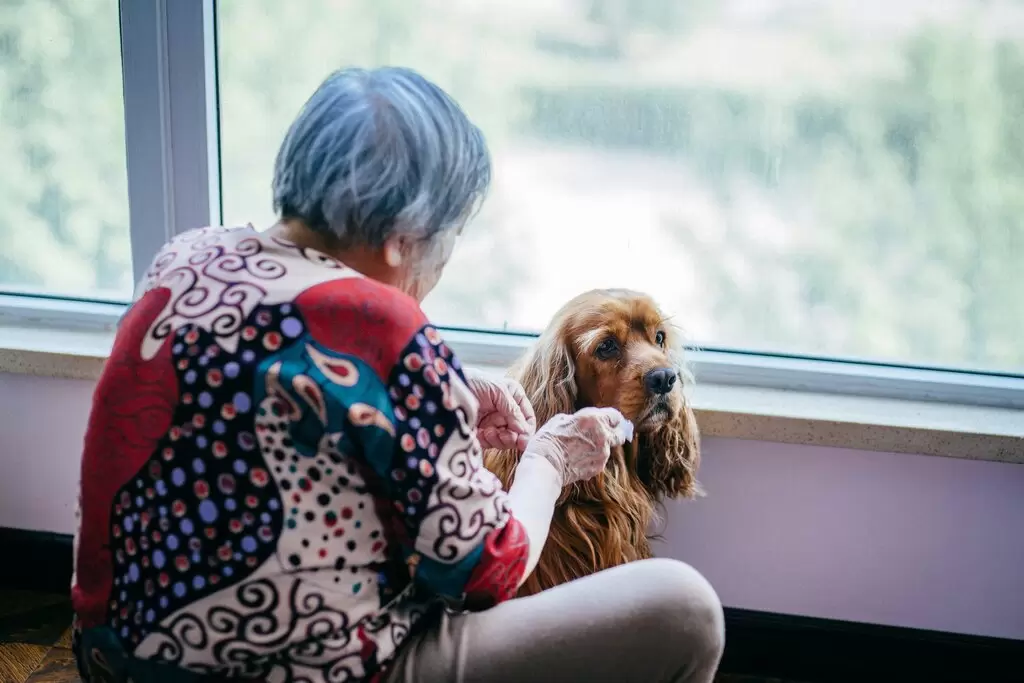
Grooming and Skin Care
- Older pets may groom less effectively, leading to matting or skin irritation.
- Regular brushing helps remove loose hair and stimulates circulation.
- Check for lumps, bumps, or sores and consult a veterinarian promptly.
- Keep nails trimmed and ears clean to prevent discomfort and infection.
Safe Environment
- Reduce stairs or provide ramps to ease mobility challenges.
- Ensure non-slip surfaces to prevent falls.
- Provide warm, comfortable bedding for joint support.
- Keep food and water bowls easily accessible.
End-of-Life Planning
- Discuss quality-of-life considerations with your veterinarian.
- Hospice or palliative care may provide comfort for terminally ill pets.
- Be prepared for emotional decisions and cherish remaining time together.
Key Takeaways
- Senior pets require tailored nutrition, regular veterinary care, and gentle exercise.
- Monitor health changes closely, including mobility, cognition, and appetite.
- Pain management, dental care, and grooming are critical for comfort.
- Maintain routine and mental stimulation to support emotional well-being.
- Create a safe, accessible environment to reduce stress and prevent injury.
Conclusion
Aging is a natural process, but with attentive care, senior pets can enjoy a fulfilling and comfortable life. By adapting nutrition, exercise, medical care, and daily routines, you provide the love, support, and dignity they deserve. Supporting your pet through aging gracefully strengthens your bond and ensures that their golden years are happy, healthy, and meaningful.