Training and Behavior: Building a Strong Bond with Your Pet
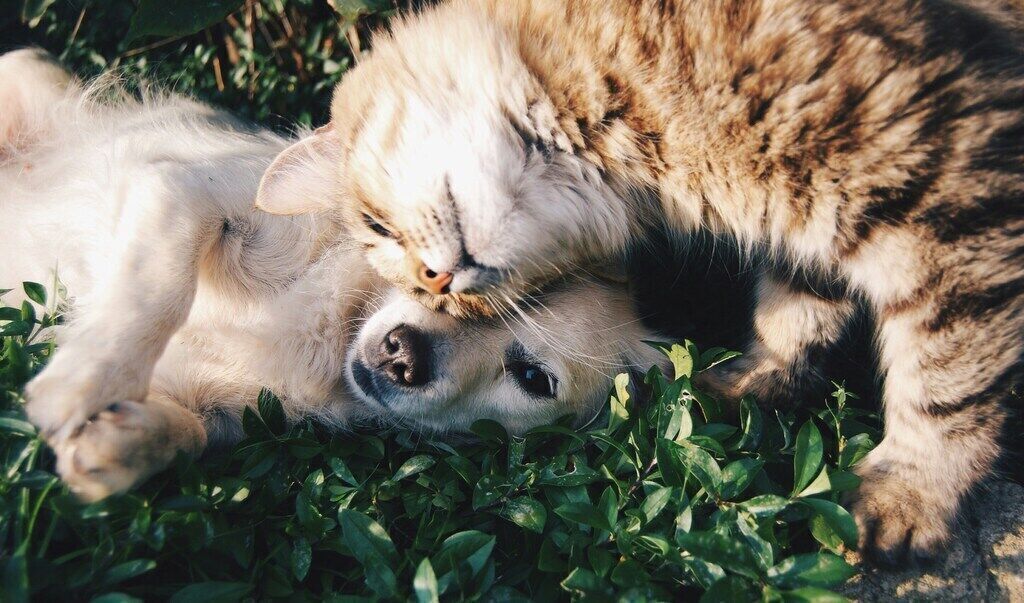
Training is more than teaching commands—it's a vital tool for building a strong, trusting bond with your pet. Proper training and understanding of behavior enhance safety, communication, and overall well-being. Whether you have a dog, cat, or another companion animal, consistent guidance helps your pet navigate daily life while strengthening your relationship.
This article explores effective training techniques, understanding pet behavior, and strategies to foster trust and cooperation.
Why Training Matters
Training provides numerous benefits:
- Safety : Teaching recall, boundaries, and commands reduces risk of accidents.
- Behavior Management : Prevents destructive behavior, aggression, and anxiety.
- Mental Stimulation : Engaging pets in learning exercises promotes cognitive health.
- Bonding : Strengthens communication and trust between owner and pet.
- Confidence Building : Pets who understand expectations feel secure and comfortable.
Understanding Pet Behavior
Dogs
- Dogs are social animals with clear hierarchy and pack instincts.
- Common behaviors:
- Barking for communication or alerting.
- Chewing and digging as natural instincts.
- Jumping to greet or assert excitement.
- Understanding triggers helps guide appropriate responses.
Cats
- Cats are independent and territorial, often requiring subtle cues.
- Common behaviors:
- Scratching to mark territory and maintain claws.
- Kneading and rubbing to show comfort or claim space.
- Hunting play instincts reflected in pouncing and stalking.
- Positive reinforcement works better than punishment.
Signs of Stress or Anxiety
- Excessive vocalization, pacing, or hiding
- Aggression or overprotectiveness
- Destructive behavior or loss of appetite
- Tail tucking or crouching
Recognizing these signs early allows for intervention before behaviors escalate.
Positive Reinforcement Training
Positive reinforcement is the most effective and humane approach:
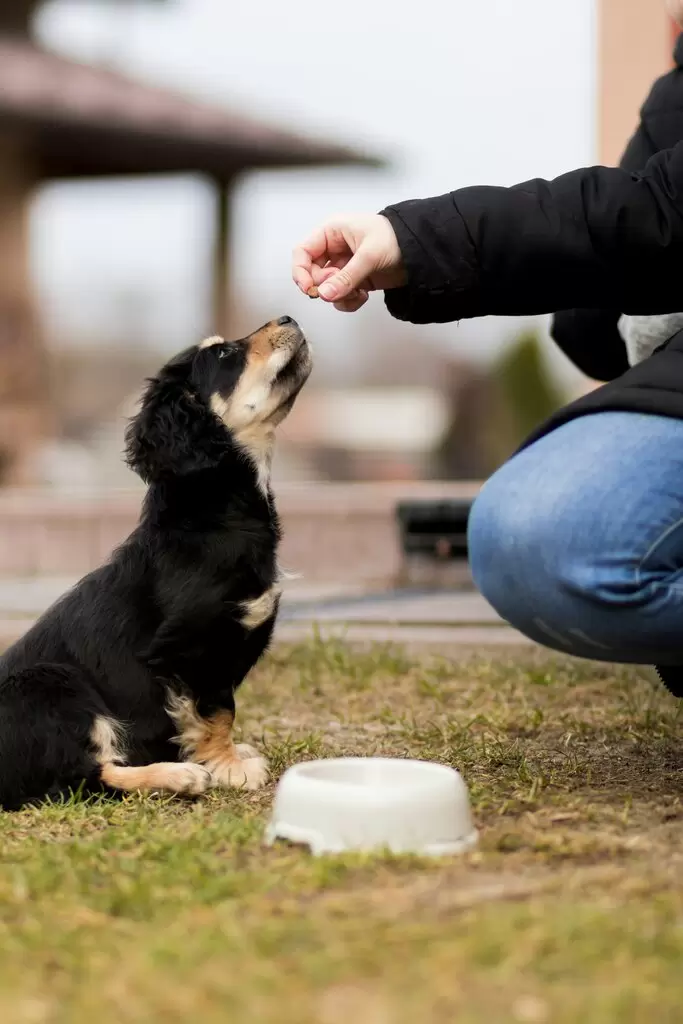
- Treats : Small, high-value rewards for desired behaviors.
- Praise and Affection : Verbal praise and petting reinforce good behavior.
- Consistency : Use the same cues and reward system to avoid confusion.
- Timing : Reward immediately to connect behavior with reinforcement.
Basic Commands for Dogs
Sit
- Helps calm a hyperactive dog and prepares them for other commands.
- Technique: Hold a treat above the dog’s head, say “sit,” and reward when they comply.
Stay
- Promotes patience and control in various situations.
- Technique: Start with short durations, gradually increase distance and time.
Come
- Crucial for safety, especially outdoors.
- Technique: Use a cheerful tone and reward when your dog approaches.
Leave It
- Prevents ingestion of harmful items.
- Technique: Present item, use cue, and reward when your dog obeys.
Heel
- Keeps your dog close during walks.
- Technique: Reward walking beside you calmly, use leash as guide.
Training Cats
Training cats may require patience and creativity:
- Litter Box Training : Most kittens learn instinctively; keep boxes clean and accessible.
- Clicker Training : Use clicks and treats to reinforce behaviors like sitting, jumping to a target, or coming when called.
- Scratching Management : Provide scratching posts and redirect undesired scratching to acceptable surfaces.
- Leash Training : Gradual introduction to harness and short indoor sessions can prepare for outdoor exploration.
Correcting Problem Behaviors
1. Barking and Meowing
- Determine cause (attention-seeking, anxiety, boredom).
- Redirect behavior with toys or commands.
- Avoid rewarding unwanted vocalizations.
2. Aggression
- Identify triggers and avoid confrontational situations.
- Use desensitization and positive reinforcement under professional guidance.
3. Destructive Chewing or Scratching
- Provide safe toys or chew alternatives.
- Reinforce proper play and redirect inappropriate behavior.
4. Separation Anxiety
- Gradually increase time alone.
- Create a comfortable, stimulating environment with toys or treats.
- Consider consulting a behaviorist for severe cases.
Socialization
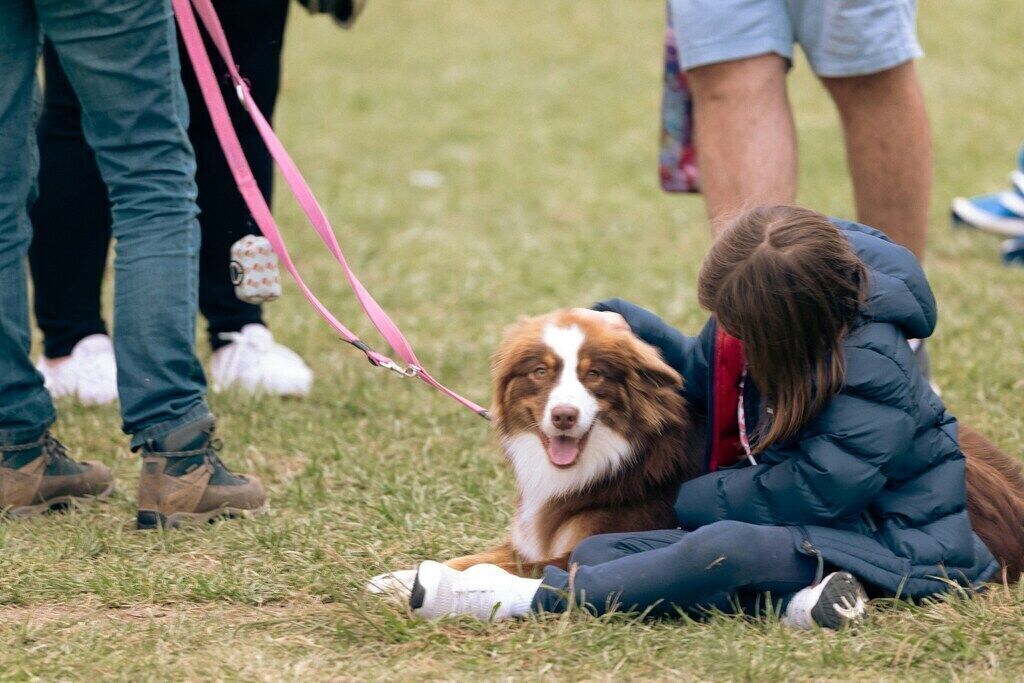
- Early exposure to other animals, people, sounds, and environments reduces fear and aggression.
- Socialization should be positive, gradual, and rewarding.
- For adult pets, controlled introductions and slow exposure help adapt to new situations.
Tools and Resources
- Leashes, harnesses, and collars : Safe equipment enhances control during training.
- Clickers and target sticks : Facilitate precise communication.
- Training classes : Provide professional guidance and socialization opportunities.
- Books and online resources : Offer structured training plans for various behaviors.
Patience and Consistency
- Training requires repetition and reinforcement.
- Avoid punishment-based methods—they can cause fear, stress, and aggression.
- Celebrate small successes and adjust techniques according to your pet’s personality.
Conclusion
Training and understanding behavior are essential for a harmonious relationship with your pet. By using positive reinforcement, recognizing signs of stress, and providing consistent guidance, owners can nurture trust, obedience, and mutual respect.
Key Takeaways :
- Positive reinforcement is the most effective training method.
- Understand your pet’s natural instincts and behavioral triggers.
- Socialization and early training prevent long-term behavior issues.
- Patience, consistency, and compassion are the foundations of success.
A well-trained, well-understood pet is happier, safer, and more confident—allowing you to enjoy a deeper, more rewarding bond for years to come.